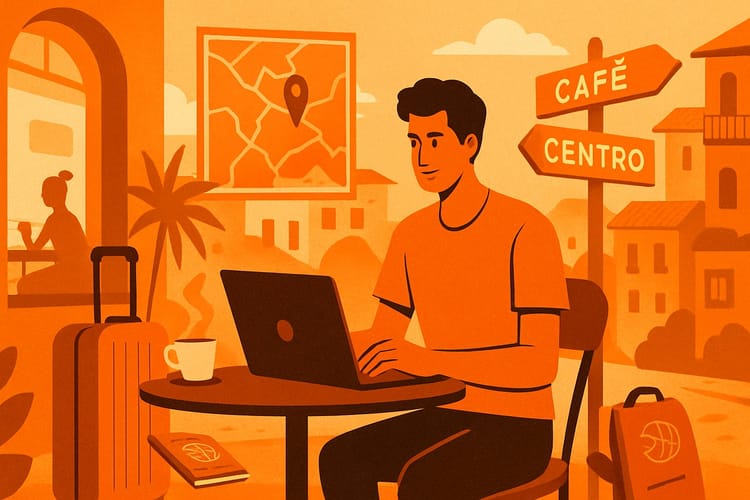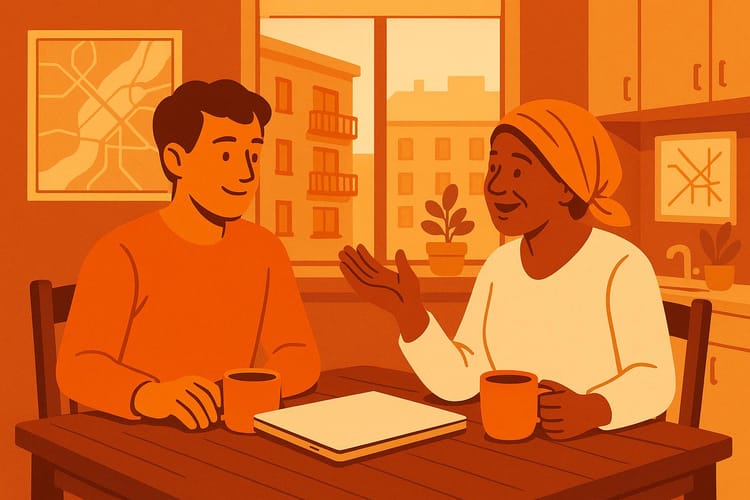
Slow Travel Language Learning in 2026: Why One Month in a Neighborhood Beats Ten Cities in a Blur
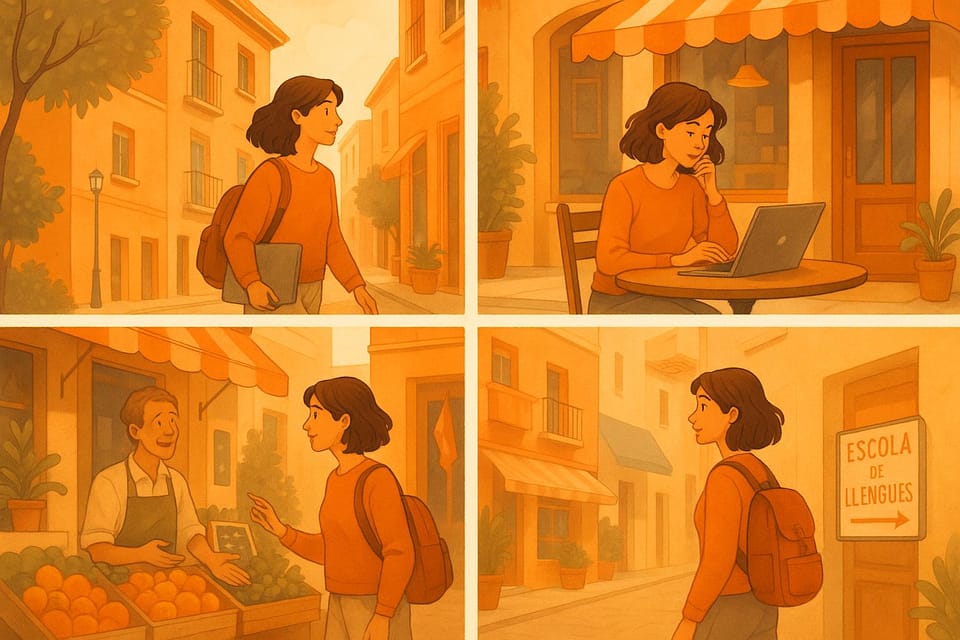
Slow Travel Language Learning in 2026: Why One Month in a Neighborhood Beats Ten Cities in a Blur
If you care about slow travel language learning, here is the blunt truth: bouncing between cities every ten days might make your Instagram look alive, but it is brutal for actually learning how people speak. Language needs repetition, context, familiar faces, and enough boredom for your brain to start predicting what comes next. Constant movement kills most of that.
That is why slow travel language learning keeps getting more attention in 2026. Digital nomads are finally noticing that the best language progress rarely comes from collecting destinations. It comes from staying put long enough for the bakery staff to recognize you, for your barista to stop switching to English, and for your neighborhood routines to become mini speaking drills without feeling like homework.
We have already covered the digital nomad language routine, language-friendly cities for digital nomads, local events for language learning while traveling, and the language learning neighborhood walk. Slow travel is the bigger frame that makes all of those strategies work better.
Why Slow Travel Language Learning Works Better Than Fast Travel
The magic of slow travel language learning is not magic at all. It is repetition with stakes.
When you stay in one place for four to eight weeks, the same useful situations keep coming back:
- ordering coffee
- greeting neighbors
- checking prices
- asking for recommendations
- handling transit hiccups
- making small talk with staff and regulars
- hearing the same slang, jokes, and filler phrases again and again
That repetition matters because language gets easier when your brain can predict the setting while still dealing with new details. On a fast trip, everything changes before those patterns settle. New apartment. New supermarket. New accent. New transit map. New coworking space. New everything. Your brain spends all its energy surviving logistics instead of noticing language.
Research and policy summaries collected by NAFSA and recent reviews of study-abroad outcomes such as this systematic review on Taylor & Francis Online keep pointing toward the same uncomfortable lesson: longer, more engaged stays tend to create stronger language and intercultural gains than shallow exposure alone. No kidding. If you keep leaving right before things get familiar, you keep resetting the game.
Slow Travel Language Learning Creates Better Friction
A lot of nomads think progress comes from maximizing novelty. Cool idea. Terrible language plan.
Slow travel language learning works because it gives you useful friction instead of chaos.
Useful friction means:
- you hear the same phrase three times in slightly different contexts
- you have enough comfort to try speaking first
- people start expecting a little more from you
- your mistakes become specific and fixable
- local routines stop feeling theatrical and start feeling normal
Chaos is different:
- airport Spanish one day, café Portuguese the next, bureaucratic German three days later
- everybody defaults to English because you are visibly passing through
- you never stay long enough to build momentum with the same people
- every conversation starts from zero
That second list feels adventurous. It is also a wicked dumb way to build fluency.
How Slow Travel Language Learning Fits a Real Remote Work Life
One reason slow travel language learning is exploding now is that more remote workers are tired of pretending they can do deep work, travel admin, social discovery, and serious language study at the same time in a new city every week.
You cannot. Or at least not for long without frying yourself.
A stronger nomad setup looks like this:
Week 1: Orientation
You learn the block, the grocery store, the transit stops, the café rhythm, and the obvious survival phrases.
Week 2: Recognition
People start recognizing your face. You stop spending all your cognitive energy on logistics. You begin hearing the same expressions repeatedly.
Week 3: Participation
Now you can push. Short chats get easier. You understand more without asking for repeats. You can join one recurring class, event, or meetup.
Week 4 and beyond: Compounding
This is where the good stuff starts. Conversations become less scripted. Local references start landing. You build confidence in a specific neighborhood, not just in theory.
That is why a month in one district usually beats four cities in one month if language growth is the goal.
The impact of studying abroad on language skill development research points in the same direction: duration and quality of engagement matter. A long stay is not enough by itself, but it gives you a real shot at building routines that actually transfer.
Slow Travel Language Learning Depends on Neighborhoods, Not Countries
People say things like, "I want to learn Spanish in Spain" or "I want to improve my Portuguese in Brazil." Fine, but slow travel language learning happens at the neighborhood level.
Your actual language life is shaped by:
- whether people around you live there full time
- whether the area is dominated by tourists or residents
- whether you can return to the same spots daily
- whether you can tolerate the pace of life long enough to stay consistent
- whether there are recurring events where the same humans show up
That is why city choice matters less than routine density.
One walkable neighborhood with a market, gym, bakery, pharmacy, park, and one recurring social space can do more for your language than a "top nomad city" where you live in a sealed expat bubble.
This is also where our piece on language-friendly cities for digital nomads matters. The best city is not the one with the flashiest remote-work brand. It is the one where daily life keeps forcing tiny useful interactions.
A 30-Day Slow Travel Language Learning System
Here is a system that does not require becoming a full-time student.
Days 1 to 5: Build your core map
Pick five repeatable places:
- coffee spot
- grocery store
- walking route
- coworking space or work café
- one social or fitness venue
Your goal is not variety. Your goal is repetition.
Days 6 to 10: Collect living phrases
Write down phrases you hear in real life, not textbook museum phrases nobody actually uses. Focus on:
- greetings
- clarifying questions
- polite filler
- numbers and prices
- short follow-ups
Days 11 to 20: Add one recurring social structure
This can be:
- a class
- a running group
- a coworking lunch
- a weekly event
- a volunteer shift
The key is recurring faces. Random one-off meetups are fine for entertainment. They are weak for compounding language.
Days 21 to 30: Push output inside routines
Now start deliberately speaking first in familiar contexts.
- ask one extra question at the café
- make one comment at the market
- stay an extra two minutes after class
- narrate your neighborhood walk aloud
- send one voice note recap of the day
That is how slow travel language learning becomes automatic instead of performative.
The Biggest Mistakes People Make With Slow Travel Language Learning
Mistake 1: Treating "slow" like passive immersion
Staying longer helps, but only if you keep using the same places and people as language anchors. Sitting in an apartment for six weeks working in English all day is not immersion. It is renting differently.
Mistake 2: Picking convenience over contact every time
If every apartment is in the most international, frictionless part of town, you may get comfort but not much language pressure.
Mistake 3: Moving right when conversations start getting easier
This one hurts because it is so common. Just when local interactions begin feeling natural, people leave because the next destination is already booked.
Mistake 4: Confusing novelty with progress
A new city gives you adrenaline. That is not the same as better listening or better speaking.
The EF piece on slow travel makes a gentler version of the same argument: slower travel changes what you notice. For language learners, that change is everything.
How to Choose a Base for Slow Travel Language Learning
Use these filters before you book:
- Can you stay at least four weeks?
- Is the neighborhood walkable enough for repeated errands?
- Are there regular local spaces where you can become familiar?
- Will people around you mostly be residents, not just other nomads?
- Is the language level challenging but not impossible?
- Can your work schedule survive the time zone and workload?
If the answer to most of those is yes, you have a strong candidate.
If not, you may still have a fun trip. Just do not lie to yourself about the language upside.
The travel side matters too. Nomadic Matt's digital nomad advice is mostly about sustainability and structure, and that same logic applies here. A stable life beats a glamorous mess.
My Verdict on Slow Travel Language Learning in 2026
Slow travel language learning works because it turns ordinary life into repeated speaking opportunities.
Not fantasy immersion.
Not heroic study marathons.
Not one magical city.
Just enough time in one neighborhood for people, places, and phrases to start overlapping.
If you want real progress while working remotely, stay longer than your restless brain wants to. Repeat the same blocks. Let the same staff recognize you. Build language into errands, routines, and recurring spaces. That is where the compounding starts.
So be honest: on your next trip, are you choosing the place that looks impressive on a map, or the one where you could actually still be having better conversations by week four?